
A 41-year-old South Florida man is accused of conducting at least 10 ransomware attacks and extorting a combined $75.25 million in ransom payments while he was working as a ransomware negotiator for DigitalMint.
Five of Angelo John Martino III’s alleged victims hired DigitalMint, which assigned Martino to conduct ransomware negotiations on their clients’ behalf — putting him in a position to play both sides, as the criminal responsible for the attack and the lead negotiator for his alleged victims, according to federal court records unsealed Wednesday.
Martino allegedly obtained an affiliate account on ALPHV, also known as BlackCat, and conspired with other former cybersecurity professionals to break into victims’ networks, steal and encrypt data, and extort companies for ransoms over a six-month period in 2023.
Martino was an unnamed co-conspirator in an indictment filed in November 2025 against Kevin Tyler Martin, another former ransomware negotiator at DigitalMint, and Ryan Clifford Goldberg, a former manager of incident response at Sygnia. Goldberg and Martin pleaded guilty in December to participating in a series of ransomware attacks and are scheduled for sentencing April 30.
Prosecutors accuse Martino of providing confidential information regarding ransomware negotiations to ALPHV co-conspirators to maximize the ransom payment. His attorney did not immediately respond to a request for comment.
The five U.S.-based victims that hired DigitalMint and unwittingly tapped Martino to allegedly conduct ransomware negotiations with himself and his co-conspirators include a nonprofit and companies in the hospitality, financial services, retail and medical industries. All five of those victims paid a ransom.
Goldberg and Martin were not specifically named as co-conspirators in those attacks. Prosecutors previously said they only successfully extorted a financial payment from one of their victims for nearly $1.3 million.
Cybersecurity firm that employed Martino responds
DigitalMint said they suspended Martino’s access to systems when the Justice Department notified the company they were investigating him on April 3 and fired him the next day. The company, which is not accused of any knowledge or involvement with the crimes, added it was not aware that Martino and Martin were already involved in ransomware-related schemes before they were hired.
“We strongly condemn these former employees’ criminal behavior, which violated our values, ethical standards and the law,” DigitalMint CEO Jonathan Solomon said in a statement to CyberScoop.
“DigitalMint has fully cooperated with law enforcement from the outset and does not expect further charges,” Solomon added. “While no organization can completely eliminate insider risk, we take incidents like this extremely seriously and have strengthened safeguards and internal controls to further reduce the likelihood of similar conduct.”
DigitalMint did not directly answer questions about whether it refunded its clients who were allegedly victimized by Martino. “We are not able to discuss specific client relationships or fee arrangements due to confidentiality obligations,” a spokesperson said in a statement. “We remain committed to our clients and have addressed any commercial matters directly with those parties.”
The company also declined to describe the circumstances under which it was hired and assigned Martino to conduct ransomware negotiations on the attacks he allegedly committed. Yet, in a statement it noted: “The charging documents do not allege that Martino referred or brought these victims to DigitalMint.”
The case against Martino showcases an extreme, albeit rare, example of the dark underbelly of ransomware negotiation as a practice. The pitfalls of ransomware negotiation are excessive and these backchannel negotiations, which remain largely unscrutinized, can go awry for various reasons.
Authorities seize about $12M in assets, set $500K bond
Martino is charged with conspiracy to interfere with commerce by extortion and faces up to 20 years in prison. He is scheduled to enter a plea March 19.
Authorities seized nearly $9.2 million in five types of cryptocurrency from 21 wallets controlled by Martino. Other items seized from Martino include a 1999 Nissan Skyline, a 2024 Polaris RZR, a 2023 trailer and a 29-foot boat manufactured in 2023.
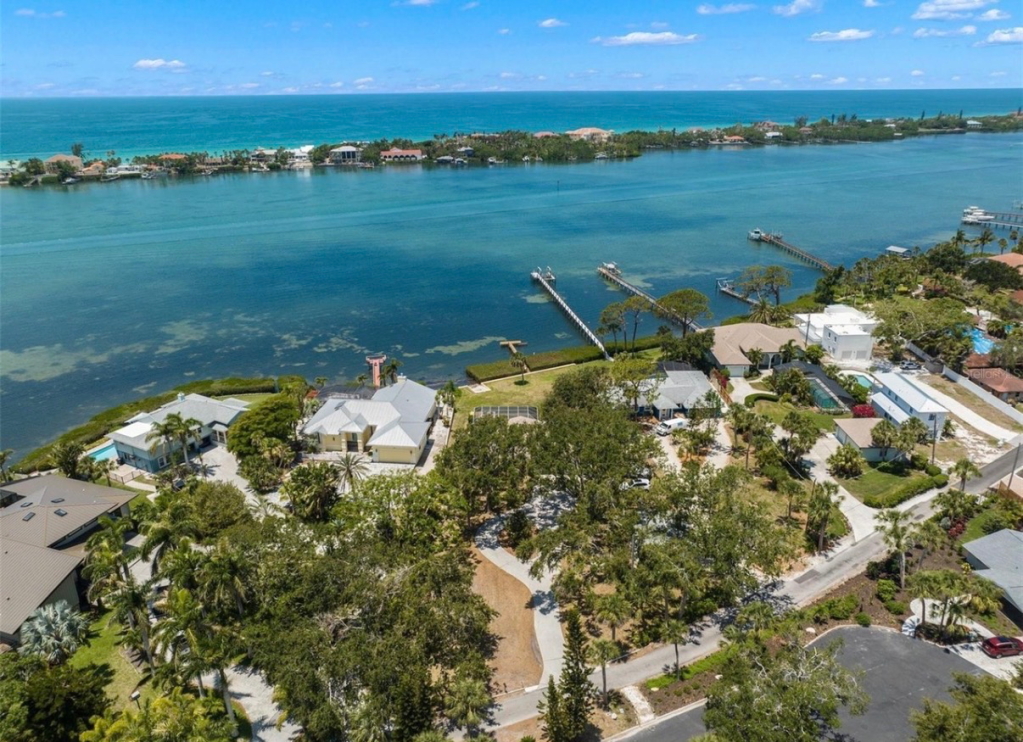
Officials also seized two properties owned by Martino in Nokomis, Florida, including a bayfront home with an estimated value of $1.68 million and a second single-family home with an estimated value of $396,000. The bayfront home was reported as the second-largest real estate transaction of the week when Martino and his wife purchased the home for $1.791 million in February 2024.

Martino surrendered to the U.S. Marshals in Miami Tuesday and was released on a $500,000 bond. He is restricted from traveling outside the Southern District of Florida and is prohibited from working in the cybersecurity industry.
ALPHV/BlackCat was a notorious ransomware and extortion group linked to a series of attacks on critical infrastructure providers. The ransomware variant first appeared in late 2021, and was later used in dozens of attacks on organizations in the health care sector.
The group behind the ransomware strain also claimed responsibility for the February 2024 attack on UnitedHealth Group subsidiary Change Healthcare, which paid a $22 million ransom and became the largest health care data breach on record, compromising data on about 190 million people.
Two of Martino’s alleged victims paid even higher ransoms in 2023, according to prosecutors, including a nearly $26.8 million payment from the unnamed nonprofit, and a nearly $25.7 million payment from the unnamed financial services company.
You can read the formal charge prosecutors filed against Martino below.
The post Feds say another DigitalMint negotiator ran ransomware attacks and extorted $75 million appeared first on CyberScoop.
Angelo Martino is accused of playing both sides — committing attacks and conducting ransomware negotiations on some of the same cases on behalf of his former employer.
The post Feds say another DigitalMint negotiator ran ransomware attacks and extorted $75 million appeared first on CyberScoop. Read MoreCyberScoop
